Lot Clearing Before Construction: What Connecticut Property Owners Should Know
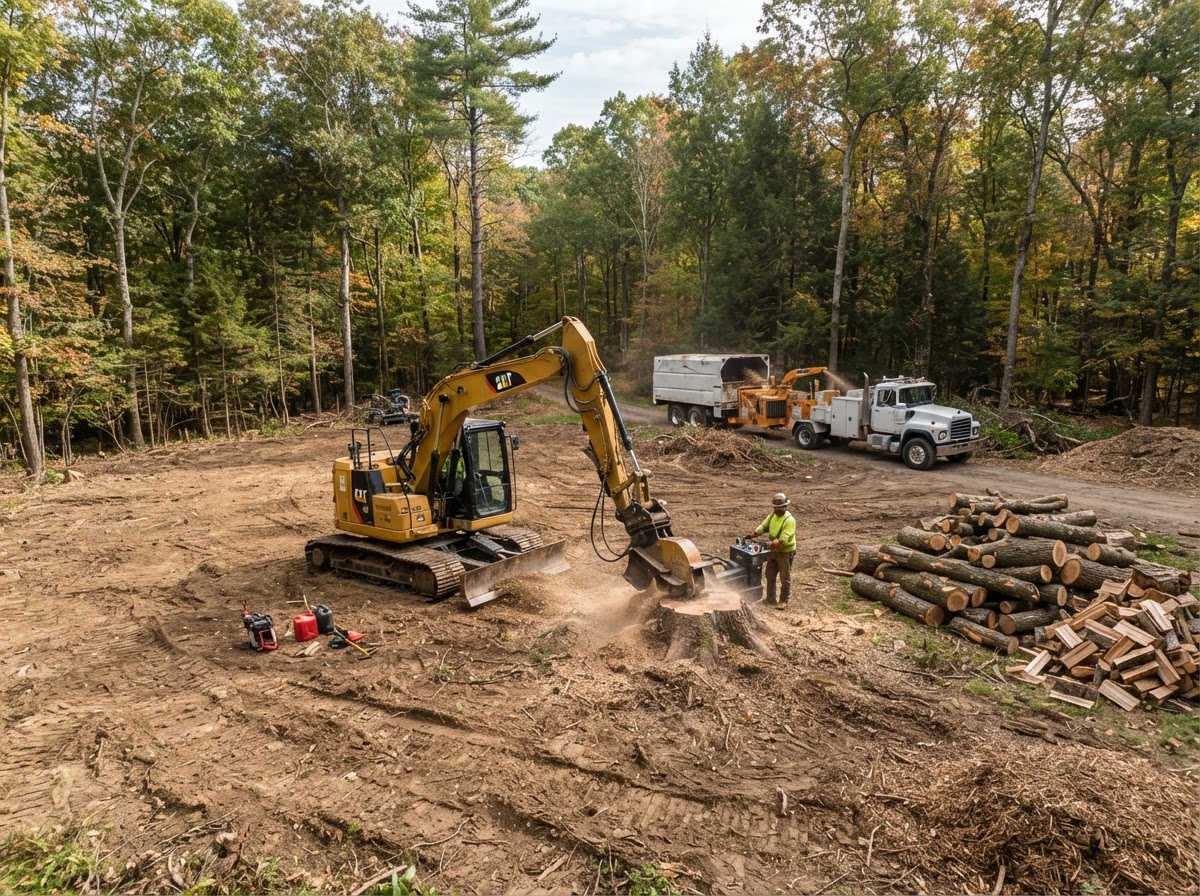
Before a new home, addition, septic system, or major landscape project can begin, the land has to be prepared. Lot clearing is that first, foundational step — and doing it well sets up everything that follows. Done poorly, it creates drainage problems, removes trees you wanted to keep, and leaves a mess that has to be fixed later.
What lot clearing actually involves
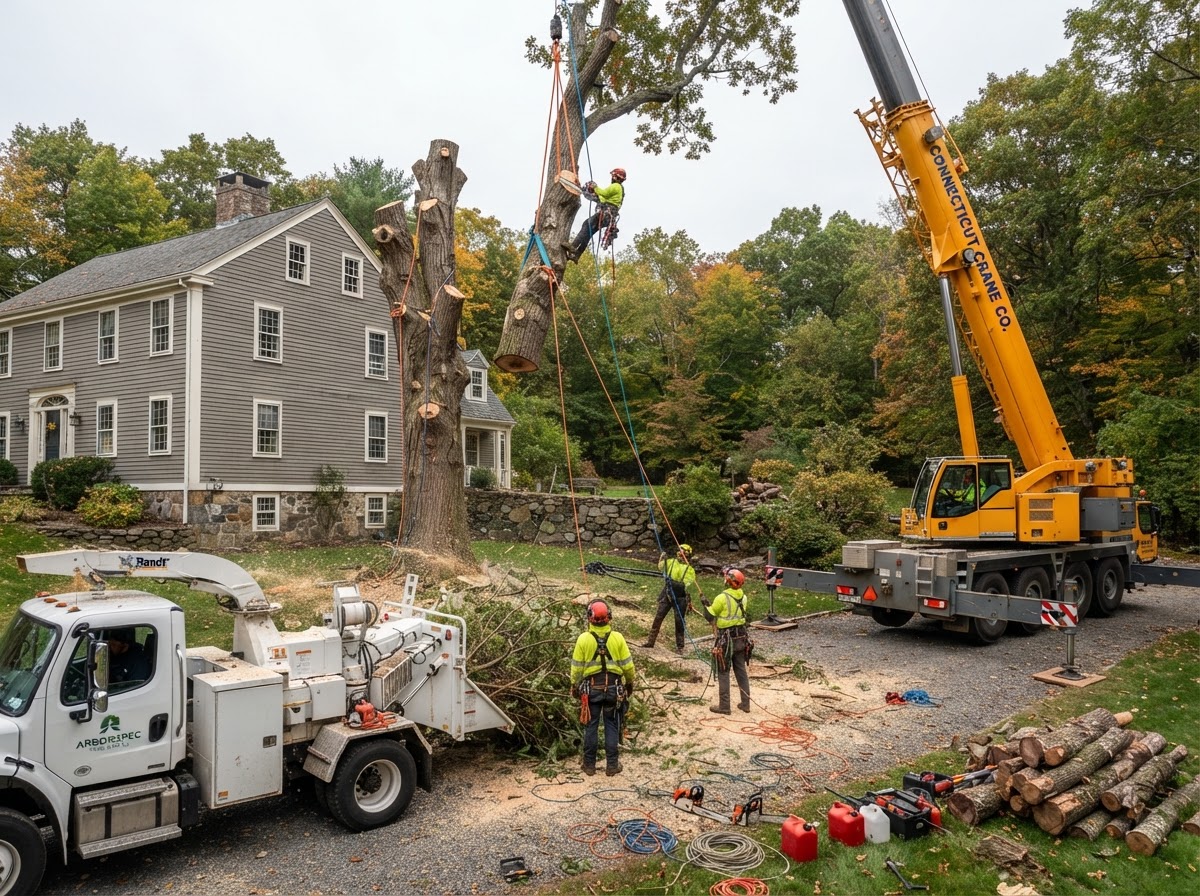
Lot clearing is heavier and more involved than routine yard cleanup. Depending on the property, it can include removing brush and saplings, taking down unwanted trees, grinding stumps, chipping debris, and rough grading so the site is ready for the next phase of work.
- Clearing brush, invasive growth, and overgrown understory
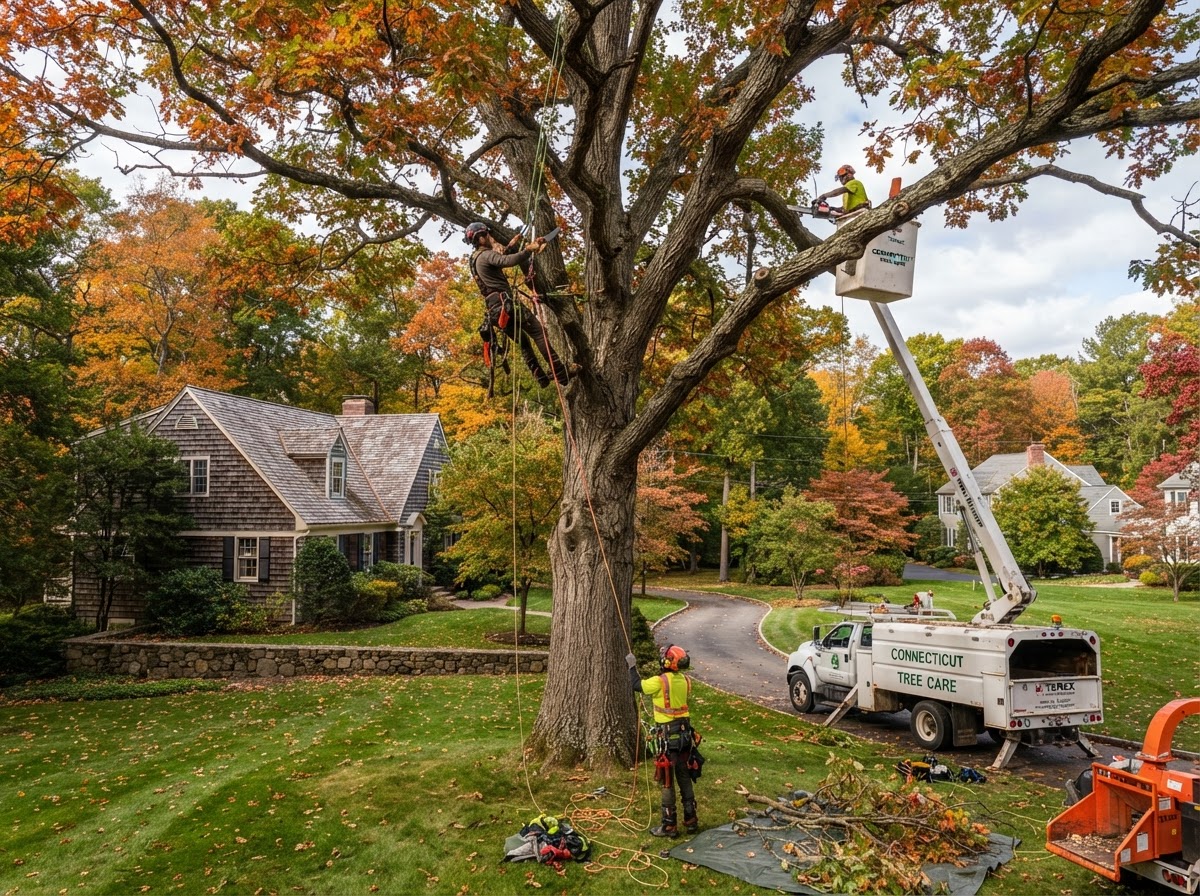
- Removing trees that are in the way of the build or that are unhealthy
- Grinding stumps so they don't resprout or interfere with foundations
- Hauling or chipping debris to leave a clean, buildable pad
Selective clearing: keeping what matters
One of the most common requests we hear is to clear a lot while keeping certain trees. Mature, healthy trees add real value to a finished property — shade, privacy, and character that take decades to replace. Selective clearing means marking the trees and features you want to preserve and working carefully around them, rather than clearing everything to the ground.
This matters most on wooded lots in towns like Redding, Weston, and Wilton, where the existing tree canopy is a big part of what makes the property appealing in the first place.
Don't skip the stumps
A common mistake is clearing the trees but leaving the stumps to deal with later. Stumps left in a build area can cause real problems — they decay and settle, they get in the way of grading and paving, and they can resprout. Grinding stumps as part of the clearing process is far more efficient than coming back to them after construction has started.
Rough grading and what comes next
After clearing and stump grinding, rough grading shapes the cleared ground so water moves the right way and the site is ready for whatever comes next — a foundation, a driveway, a lawn, or a new landscape installation. Good rough grading early on prevents the drainage headaches that show up later if water is left to find its own path.
Planning the whole sequence
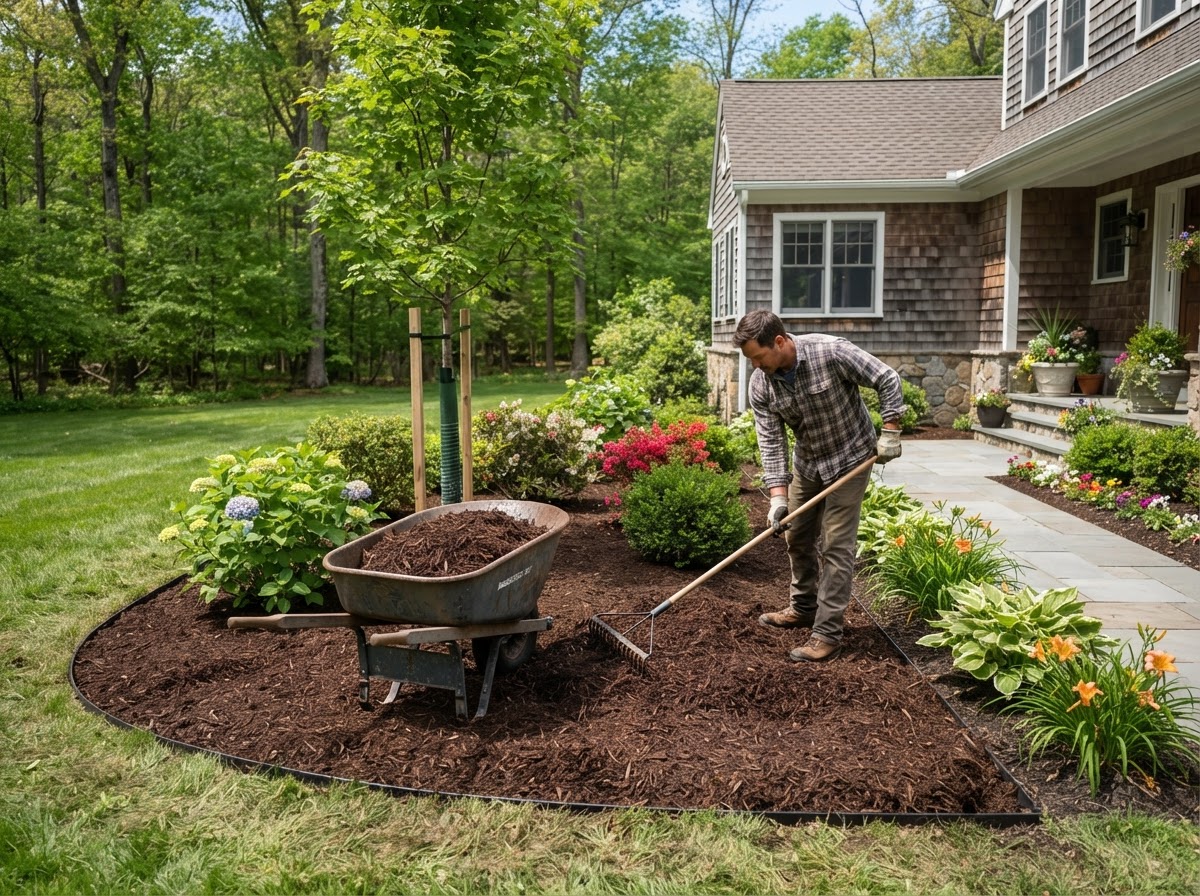
The best lot clearing is planned with the next steps in mind. If you know you'll be installing a landscape, building a patio, or laying a lawn, the clearing can be done in a way that makes those steps smoother. That's why it helps to work with a team that handles more than just the clearing — so the whole sequence from raw land to finished property stays coordinated.
If you're planning a project that starts with clearing land, request a free estimate. We'll walk the lot with you, talk through what stays and what goes, and give you a straightforward plan for getting the site ready.
Ready to get started?
If this article hit on something you're dealing with on your property, the next step is simple — request a free estimate and we'll take a look.